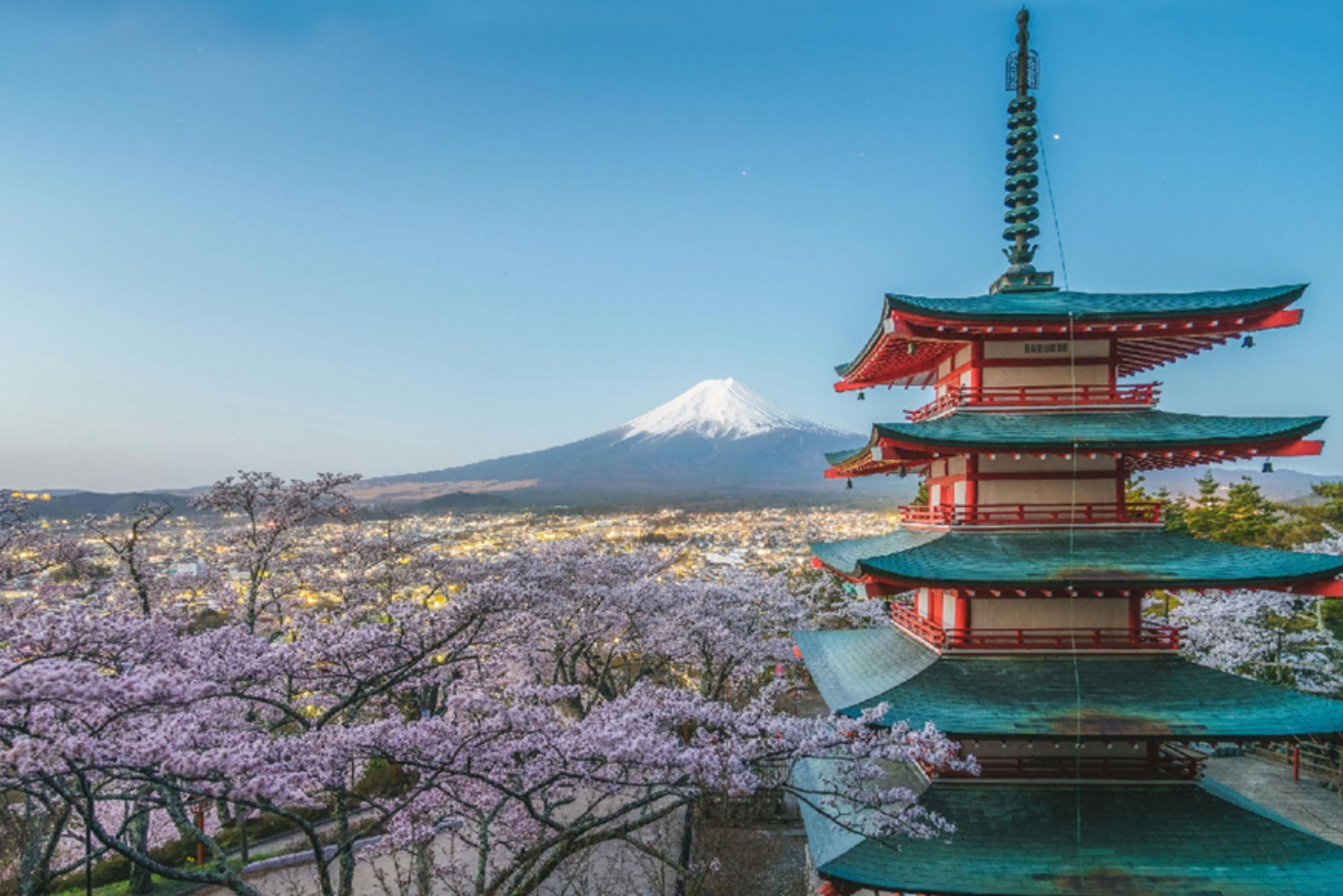
The Magic of Three Lines: A Beginner’s Guide to Haiku Poetry
A poem that captures the essence of nature, making you aware of the present moment, known as Haiku poetry, is very deeply ingrained in the Japanese tradition. Haiku is a very famous form of poetry known for its simplicity yet profound depth. Let us learn more about it in this blog post.
About Haiku Poetry:

So it is a poem that is composed of three lines. Yes, you read it right, a poem composed of merely three lines, but these three lines have an impact on you that you remember for life. Majorly, it follows a 5-7-5 syllable pattern, meaning five syllables in the first and third line and seven in the second line. It is short yet meaningful. A haiku poem always has a kigo word in it, meaning a word related to a season. For example: spring, frost, cherry blossom, autumn, etc. This makes the haiku reader gain context on the content, which helps in creating meaning. It's like they are there at the scene where this poetry is written.
The Power of the Moment:
Haiku is uniquely different from other poetic forms because it focuses on creating an experience of the present moment, not of a feeling, not of a past experience. It's not long like other poems, but quite short and aims to tell the story of the present, the moment right now, of something that is so obvious yet so deep when thought about carefully. It is basically capturing the mundane and experiencing its emotions, depth, and truth.
Why Haiku is Great for Japanese Learners:
For Japanese language learners, haiku poetry is a powerful tool. Because:
1. It helps you learn the rhythm of the language: When you read a haiku poem and try to fit in the sounds in the 5-7-5 pattern, it helps with your pronunciation a lot.
2. It Builds Nature Vocabulary: Haiku is filled with important words, especially related to nature, so reading many haiku helps you build your vocabulary.
3. It teaches "Kireji" (Cutting Words): Words like these help you learn Japanese grammar in a deeper way that is not typically taught.
4. And of course, Haiku is such a joy to read, all the emotions/pause you feel that give you motivation to learn Japanese each day.
Some Famous Haiku Examples:
1. Ume-ga-ka ni Notto hi no deru Yamaji kana.
Basho On sweet plum blossoms The sun rises suddenly. Look, a mountain path
This poem by Basho is the expression of the joy and love of the poet for the moment in time that is filled with the scent of plum blossoms and the beautiful scenery of sun rising and mountain paths.
2. Ame no hi ya Miyako ni toki Momo no yado.
Buson The day is rainy. Far from the capital is a My peach-blossom home.
In this poem, the poet is feeling a sense of nostalgia for his rural home when he is in Kyoto city.Poems like these relate to a lot of people who migrate to big cities for work or better opportunities, but some days, like rainy days, may remind them of the time of their past
3. Waga yuki to Omoeba, karoshi Kasa no ue.
Kikaku When I think of it As my snow, how light it is On my bamboo hat.
This piece symbolises that when we consider something or someone “ours,” it is never burdensome to us. Just like in the poem, even the snow on the hat is light.
4. E ni kaita Yo na kumo ari, Hatsu-hinode.
Shusai Like a lovely cloud In a beautiful picture. New Year’s first sunrise!
5. Hirou mono Mina ugoku nari Shiohi-gata.
Chiyojo All things I pick up Are moving, awash upon The beach at low tide.
Meaning: This Haiku by Chiyojo may suggest the fact of life where everything we collect/accumulate or find eventually goes away. There is nothing permanent in the world and in our lives. Even our body will one day perish with everything we once owned.
Thankyou for reading!